- HOME
- En Espanol
- An Kreole
- Office Locations
- Eligibility and Services
- Other Legal Problems
- Self-Help Brochures
- Client Profile 2004
- Sample Cases
- Program News
- Donations
- Web Links
- Job opportunities
- About Us
http://www.flabar.org
Click on Consumer Services on the left, then click on Lawyer Referral.
Legal
Services of Greater Miami, Inc.
40 YEARS OF PROVIDING
EQUAL ACCESS TO JUSTICE
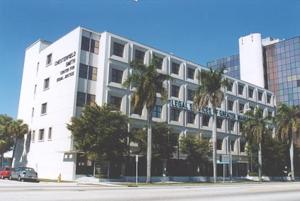 In
1966, Legal Services of
Greater
Miami, Inc. (LSGMI) was established
as a nonprofit corporation to serve the legal needs of low income
persons in Miami-Dade and Monroe Counties. For the past 37 years, LSGMI
has been the main local provider of free legal services in broad based
civil matters. The federal Legal Services Corporation, the Florida Bar
Foundation, and Miami-Dade County are the primary sources of funding,
with additional funding coming from state, local and private grants.
LSGMI also receives contributions through The Campaign for Justice, and
through the United Way Contributor Choice Program.
In
1966, Legal Services of
Greater
Miami, Inc. (LSGMI) was established
as a nonprofit corporation to serve the legal needs of low income
persons in Miami-Dade and Monroe Counties. For the past 37 years, LSGMI
has been the main local provider of free legal services in broad based
civil matters. The federal Legal Services Corporation, the Florida Bar
Foundation, and Miami-Dade County are the primary sources of funding,
with additional funding coming from state, local and private grants.
LSGMI also receives contributions through The Campaign for Justice, and
through the United Way Contributor Choice Program.
Today, LSGMI is recognized in the state and in the nation as a model legal services program, and serves over 450,000 people with income below 125% of the poverty level. LSGMI has three regional offices in Miami, South Dade, and Key West, and neighborhood offices throughout Miami-Dade County. Clients are served through a combination of approaches including advice and representation in individual cases, impact work to address systemic issues, community education and pro se clinics, and pro bono representation by private attorneys.
LSGMI's dedicated and experienced staff meet the challenge of an overwhelming demand for services by providing high quality representation to clients on a daily basis. In many cases, LSGMI is the only thing preventing clients from becoming homeless or dependent on welfare. Without the help provided by LSGMI, the poverty community would simply have nowhere to turn when facing critical legal problems, and the doors of justice would remain closed to them.
AREAS OF SERVICE: Free legal services are provided to persons whose income falls below 125% of the poverty level who experience problems in the following priority areas:
* Preservation of the home and promotion of home ownership
* Support for families and improved outcomes for children
* Promotion of employment, economic security, and health
* Promotion of safety and stability
* Protection of vulnerable populations
STAFF: A multicultural, multiracial and highly experienced staff of 30 attorneys are organized into legal specialty units, and provide legal services in 3 languages. An extensive law clerk program, high school interns, pro bono attorneys, and a pool of volunteers supplement the work of staff.
INNOVATIVE PROJECTS: LSGMI has established many creative projects and approaches to maximize the efficient and effective delivery of legal services to the poor. These include the Homeless Legal Assistance Advocacy Project, the AIDS Legal Advocacy Project, the Supplemental Security Income Disability Project, the Special Education Law Project, the New Americans Project, the Community Economic Development Unit, the Community Tax Clinic, and the Haitian Citizenship Project.
SERVICES PROVIDED: In the year 2001, LSGMI attorneys handled 5,567 cases in state, federal, appellate and administrative forums. Of this number, 4,421 were closed in 2001 and 1,146 cases remained open at year end. Pro bono attorneys served an additional 916 clients. LSGMI intake staff provided advice and referral services to an additional 10,369 clients. Almost 70% of the households were headed by women, and almost half of the household members were children. Nineteen percent were senior citizens.
In addition to providing the full range of legal services, community legal education was provided to almost 2,000 individuals, and an additional 600 clients were taught self-help skills through the Small Claims Clinic. LSGMI staff also recovered almost $1.9 million in disability, public benefits, unemployment, and other benefits for clients.
Sample Cases And Accomplishments
Home Ownership: One of LSGMI's key priorities is to preserve the home and to promote home ownership. Abusive home equity lending threatens the American dream of owning a home, especially in the low income community which is targeted for abusive consumer lending practices. As a result of the increase in predatory lending, and media and government attention focused on this issue, LSGMI saw a dramatic increase in the number of clients seeking legal help to resolve these problems. In partnership with other local agencies, LSGMI participates in efforts to educate the community, provide legal representation to victims, prosecute perpetrators, and develop alternative financial products. In 2001, LSGMI represented a large number of clients resulting in the rescission of abusive loans, and the return of money and title to the home.
Employment Rights: With the high rate of unemployment and the tight job market, it is critical that discharged employees receive the unemployment compensation benefits to which they are legally entitled. To further that goal, LSGMI represents large numbers of unemployed workers who are denied benefits, and LSGMI's advocacy has been instrumental in developing unemployment compensation law favorable to claimants. In 2001, LSGMI represented Mr. J in a successful appeal to the Third District Court of Appeals, challenging the denial of benefits for failure to comply with an employer's request to perform a task. The court found that Mr. J was entitled to receive benefits because his decision not to perform the task was reasonable. The case is significant because the Court applied the relaxed reasonableness standard established in earlier unemployment compensation cases brought by LSGMI.
Support for the Working Poor: Recent statistics show that low income taxpayers are audited by the IRS at a disproportionately high rate. With increasing numbers of clients leaving the welfare rolls to enter the work force, legal representation in IRS disputes is now a top priority. In 2001, LSGMI assisted Mr. & Mrs. V. who received an IRS notice that they were not entitled to their expected 1998 tax refund of $2,297. They did not understand that they could challenge this decision or file an appeal to the U.S. Tax Court. In 1999, their $4,199 tax refund was frozen due to the problems with their 1998 return. After extensive negotiations with the IRS, LSGMI obtained a complete refund for both 1998 and 1999, including elimination of all penalties and interest for a total payment of $7,280. This is a substantial sum in light of the fact that the V's annual income is only $10,000.
Disability: For individuals who are too disabled to work, Supplemental Security Income (SSI) disability benefits are their only potential source of income. LSGMI's SSI Disability Project successfully represented a terminal cancer patient who had been improperly denied benefits. Ms. B was denied SSI on the grounds that she owned a business which put her over the asset eligibility limit for SSI. However, the "business" was a valueless sole proprietorship which Ms. B had transferred to her family when she became disabled. With the help of a pro bono accountant who provided expert testimony on the value of the business, LSGMI successfully argued that Ms. B was in fact eligible to receive SSI benefits. She was awarded several thousand dollars in back benefits, and recurring monthly benefits.
Access to Health Care: LSGMI represented Mr. K., a disabled public housing resident who incurred out of pocket medical expenses while waiting to be approved for SSI and Medicaid. LSGMI challenged the Agency for Health Care Administration's refusal to reimburse Mr. K for his out of pocket medical expenses during the three months prior to his initial application for benefits, as required by federal law. With LSGMI's help, Mr. K. was paid over $2,100 to compensate him for his expenses. LSGMI will continue to work to ensure that other Medicaid recipients are reimbursed as required by federal law.
Family Stability: LSGMI provides representation to promote family stability for the many low income children who are scattered among relatives. Mr. P, who had stable employment and was a student at Johnson and Wales, sought assistance from LSGMI to reunite his four children and provide them with a stable home. Their mother was unable to care for them, and had custody of only one son, who was involved in delinquency proceedings. The other three children lived with various family members. LSGMI filed a petition to establish Mr. P's paternity, with a request for custody. During the course of the litigation, the mother was incarcerated. The court granted Mr. P's petition and reserved jurisdiction to award child support after the mother's release. The children now live in a stable home with their father, which should help to prevent future delinquency problems for the son.
New Americans Project: Many immigrants continue to face the improper denial, suspension or termination of TANF, Medicaid, food stamps, and Supplemental Security Income benefits due to immigration related issues. With support from the Dade Community Foundation and Miami-Dade County, LSGMI's New Americans Project staff provided community education to and successfully represented individuals who were victims of erroneous eligibility determinations, improper interpretations of the law, and agency failure to properly apply income disregards, and income and expense prorations. Through this Project, immigrants, including the elderly and disabled, received the public benefits to which they were entitled, thereby promoting their self sufficiency and stability. The Project also developed new legal theories to establish the right to receive benefits.
40 YEARS OF PROVIDING
EQUAL ACCESS TO JUSTICE
In
1966, Legal Services of
Greater
Miami, Inc. (LSGMI) was established
as a nonprofit corporation to serve the legal needs of low income
persons in Miami-Dade and Monroe Counties. For the past 37 years, LSGMI
has been the main local provider of free legal services in broad based
civil matters. The federal Legal Services Corporation, the Florida Bar
Foundation, and Miami-Dade County are the primary sources of funding,
with additional funding coming from state, local and private grants.
LSGMI also receives contributions through The Campaign for Justice, and
through the United Way Contributor Choice Program.Today, LSGMI is recognized in the state and in the nation as a model legal services program, and serves over 450,000 people with income below 125% of the poverty level. LSGMI has three regional offices in Miami, South Dade, and Key West, and neighborhood offices throughout Miami-Dade County. Clients are served through a combination of approaches including advice and representation in individual cases, impact work to address systemic issues, community education and pro se clinics, and pro bono representation by private attorneys.
LSGMI's dedicated and experienced staff meet the challenge of an overwhelming demand for services by providing high quality representation to clients on a daily basis. In many cases, LSGMI is the only thing preventing clients from becoming homeless or dependent on welfare. Without the help provided by LSGMI, the poverty community would simply have nowhere to turn when facing critical legal problems, and the doors of justice would remain closed to them.
AREAS OF SERVICE: Free legal services are provided to persons whose income falls below 125% of the poverty level who experience problems in the following priority areas:
* Preservation of the home and promotion of home ownership
* Support for families and improved outcomes for children
* Promotion of employment, economic security, and health
* Promotion of safety and stability
* Protection of vulnerable populations
STAFF: A multicultural, multiracial and highly experienced staff of 30 attorneys are organized into legal specialty units, and provide legal services in 3 languages. An extensive law clerk program, high school interns, pro bono attorneys, and a pool of volunteers supplement the work of staff.
INNOVATIVE PROJECTS: LSGMI has established many creative projects and approaches to maximize the efficient and effective delivery of legal services to the poor. These include the Homeless Legal Assistance Advocacy Project, the AIDS Legal Advocacy Project, the Supplemental Security Income Disability Project, the Special Education Law Project, the New Americans Project, the Community Economic Development Unit, the Community Tax Clinic, and the Haitian Citizenship Project.
SERVICES PROVIDED: In the year 2001, LSGMI attorneys handled 5,567 cases in state, federal, appellate and administrative forums. Of this number, 4,421 were closed in 2001 and 1,146 cases remained open at year end. Pro bono attorneys served an additional 916 clients. LSGMI intake staff provided advice and referral services to an additional 10,369 clients. Almost 70% of the households were headed by women, and almost half of the household members were children. Nineteen percent were senior citizens.
In addition to providing the full range of legal services, community legal education was provided to almost 2,000 individuals, and an additional 600 clients were taught self-help skills through the Small Claims Clinic. LSGMI staff also recovered almost $1.9 million in disability, public benefits, unemployment, and other benefits for clients.
Sample Cases And Accomplishments
Home Ownership: One of LSGMI's key priorities is to preserve the home and to promote home ownership. Abusive home equity lending threatens the American dream of owning a home, especially in the low income community which is targeted for abusive consumer lending practices. As a result of the increase in predatory lending, and media and government attention focused on this issue, LSGMI saw a dramatic increase in the number of clients seeking legal help to resolve these problems. In partnership with other local agencies, LSGMI participates in efforts to educate the community, provide legal representation to victims, prosecute perpetrators, and develop alternative financial products. In 2001, LSGMI represented a large number of clients resulting in the rescission of abusive loans, and the return of money and title to the home.
Employment Rights: With the high rate of unemployment and the tight job market, it is critical that discharged employees receive the unemployment compensation benefits to which they are legally entitled. To further that goal, LSGMI represents large numbers of unemployed workers who are denied benefits, and LSGMI's advocacy has been instrumental in developing unemployment compensation law favorable to claimants. In 2001, LSGMI represented Mr. J in a successful appeal to the Third District Court of Appeals, challenging the denial of benefits for failure to comply with an employer's request to perform a task. The court found that Mr. J was entitled to receive benefits because his decision not to perform the task was reasonable. The case is significant because the Court applied the relaxed reasonableness standard established in earlier unemployment compensation cases brought by LSGMI.
Support for the Working Poor: Recent statistics show that low income taxpayers are audited by the IRS at a disproportionately high rate. With increasing numbers of clients leaving the welfare rolls to enter the work force, legal representation in IRS disputes is now a top priority. In 2001, LSGMI assisted Mr. & Mrs. V. who received an IRS notice that they were not entitled to their expected 1998 tax refund of $2,297. They did not understand that they could challenge this decision or file an appeal to the U.S. Tax Court. In 1999, their $4,199 tax refund was frozen due to the problems with their 1998 return. After extensive negotiations with the IRS, LSGMI obtained a complete refund for both 1998 and 1999, including elimination of all penalties and interest for a total payment of $7,280. This is a substantial sum in light of the fact that the V's annual income is only $10,000.
Disability: For individuals who are too disabled to work, Supplemental Security Income (SSI) disability benefits are their only potential source of income. LSGMI's SSI Disability Project successfully represented a terminal cancer patient who had been improperly denied benefits. Ms. B was denied SSI on the grounds that she owned a business which put her over the asset eligibility limit for SSI. However, the "business" was a valueless sole proprietorship which Ms. B had transferred to her family when she became disabled. With the help of a pro bono accountant who provided expert testimony on the value of the business, LSGMI successfully argued that Ms. B was in fact eligible to receive SSI benefits. She was awarded several thousand dollars in back benefits, and recurring monthly benefits.
Access to Health Care: LSGMI represented Mr. K., a disabled public housing resident who incurred out of pocket medical expenses while waiting to be approved for SSI and Medicaid. LSGMI challenged the Agency for Health Care Administration's refusal to reimburse Mr. K for his out of pocket medical expenses during the three months prior to his initial application for benefits, as required by federal law. With LSGMI's help, Mr. K. was paid over $2,100 to compensate him for his expenses. LSGMI will continue to work to ensure that other Medicaid recipients are reimbursed as required by federal law.
Family Stability: LSGMI provides representation to promote family stability for the many low income children who are scattered among relatives. Mr. P, who had stable employment and was a student at Johnson and Wales, sought assistance from LSGMI to reunite his four children and provide them with a stable home. Their mother was unable to care for them, and had custody of only one son, who was involved in delinquency proceedings. The other three children lived with various family members. LSGMI filed a petition to establish Mr. P's paternity, with a request for custody. During the course of the litigation, the mother was incarcerated. The court granted Mr. P's petition and reserved jurisdiction to award child support after the mother's release. The children now live in a stable home with their father, which should help to prevent future delinquency problems for the son.
New Americans Project: Many immigrants continue to face the improper denial, suspension or termination of TANF, Medicaid, food stamps, and Supplemental Security Income benefits due to immigration related issues. With support from the Dade Community Foundation and Miami-Dade County, LSGMI's New Americans Project staff provided community education to and successfully represented individuals who were victims of erroneous eligibility determinations, improper interpretations of the law, and agency failure to properly apply income disregards, and income and expense prorations. Through this Project, immigrants, including the elderly and disabled, received the public benefits to which they were entitled, thereby promoting their self sufficiency and stability. The Project also developed new legal theories to establish the right to receive benefits.